Organic Fertilizer Tank Farm Waste Solution

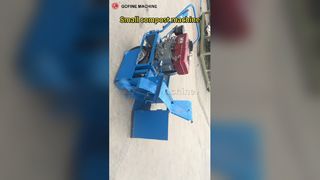
Compost Fertilizer Machine
December 29, 2025
Category Connection: Compost Fertilizer Machine
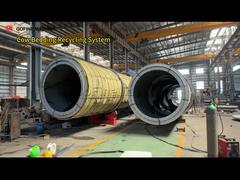
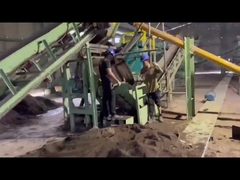
Brief: Our team walks you through how the Small Fermentation Tank performs in common scenarios, demonstrating its efficient aerobic fermentation process for organic waste treatment. See how this closed-system tank converts manure, crop residues, and other organic materials into high-quality fertilizer in just 10 hours, while minimizing pollution and ensuring complete sterilization.
Related Product Features:
  • Processes various organic wastes including livestock manure and crop residues in just 10 hours.
  • Closed fermentation system minimizes air pollution during operation.
  • Adjustable 60-100°C constant temperature ensures complete elimination of pests and eggs.
  • Strong corrosion resistance provides long-lasting durability for continuous use.
  • Real-time monitoring system allows precise control over fermentation parameters.
  • Handles feeding moisture content between 50-70% for optimal fermentation.
  • Daily capacity ranges from 5 to 15 cubic meters depending on configuration.
  • Produces high-nutrient organic fertilizer suitable for ecological agriculture applications.
FAQs:
  • What types of organic waste can the Small Fermentation Tank process?
    The tank handles various organic wastes including pig manure, chicken manure, cow manure, sheep manure, mushroom residue, Chinese medicine residue, crop straw, and similar materials.
  • How long does the fermentation process take?
    The complete fermentation process is achieved in just 10 hours, making it highly efficient for continuous organic waste treatment operations.
  • What temperature range does the fermentation tank maintain?
    The tank maintains an adjustable constant temperature between 60-100°C, which ensures complete sterilization by killing pests and eggs while promoting efficient decomposition.
  • What is the daily processing capacity of this equipment?
    The Small Fermentation Tank has a processing capacity ranging from 5 to 15 cubic meters per day, depending on the specific configuration and waste type.