5s
+1
Submission successful!
Zhengzhou Gofine Machine Equipment CO., LTD lisa@zzgofine.com +86-13285072539

उत्पाद का विवरण
उत्पत्ति के प्लेस: चीन
ब्रांड नाम: Gofine
प्रमाणन: CE
मॉडल संख्या: GF10
भुगतान और शिपिंग की शर्तें
न्यूनतम आदेश मात्रा: 1 सेट
मूल्य: $5688~6888
पैकेजिंग विवरण: प्लाईवुड मामले
प्रसव के समय: 1-3 सेट/15 दिन
भुगतान शर्तें: एल/सी, टी/टी, वेस्टर्न यूनियन,
आपूर्ति की क्षमता: 25 सेट/महीना
प्रयोग: |
कृषि, उर्वरक उत्पादन |
स्थिति: |
नया |
सामग्री: |
स्टेनलेस स्टील / कार्बन स्टील |
विशेषताएँ: |
उच्च दक्षता, आसान संचालन, कम शोर |
क्षमता: |
1-3 टी/एच |
पाउडर का आकार: |
80-320 जाल |
उत्पादन: |
3-5t/एच |
ऊर्जा: |
बिजली / डीजल |
मुख्य इंजन गति: |
3000R/मिनट |
समारोह: |
सामग्री कोल्हू |
प्रयोग: |
कृषि, उर्वरक उत्पादन |
स्थिति: |
नया |
सामग्री: |
स्टेनलेस स्टील / कार्बन स्टील |
विशेषताएँ: |
उच्च दक्षता, आसान संचालन, कम शोर |
क्षमता: |
1-3 टी/एच |
पाउडर का आकार: |
80-320 जाल |
उत्पादन: |
3-5t/एच |
ऊर्जा: |
बिजली / डीजल |
मुख्य इंजन गति: |
3000R/मिनट |
समारोह: |
सामग्री कोल्हू |
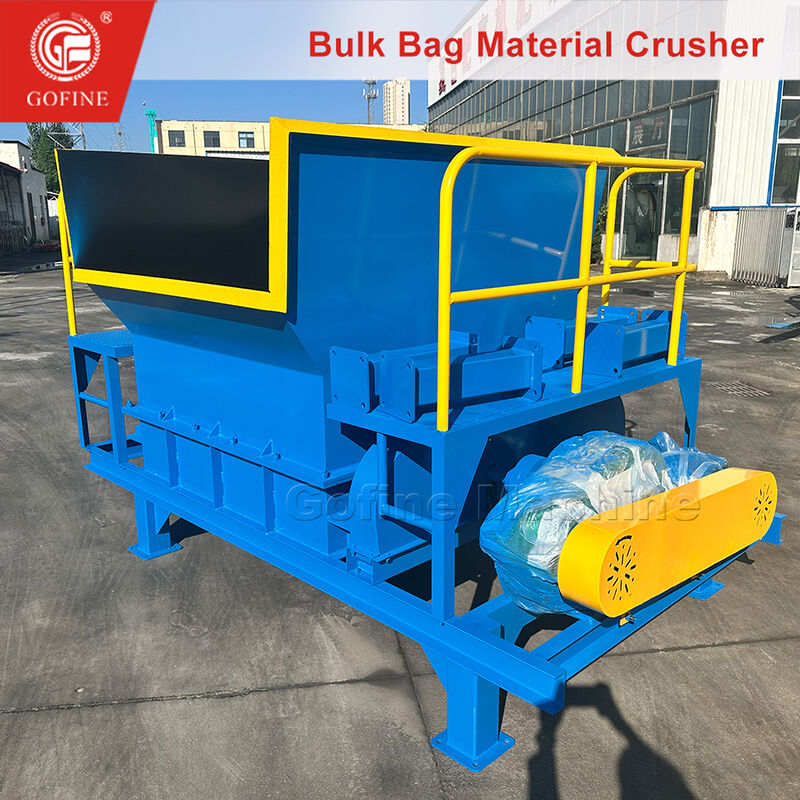
दटन बैग लाइन के लिए जैव कार्बनिक उर्वरक लम्प ब्रेकरयह एक मजबूत, भारी शुल्क वाली सामग्री कंडीशनिंग इकाई है जिसे विशेष रूप से बल्क बैग (एफआईबीसी) डिस्चार्जिंग और बैचिंग सिस्टम में इनलाइन एकीकरण के लिए डिज़ाइन किया गया है।यह जैविक उर्वरकों के प्रबंधन में एक प्रमुख परिचालन चुनौती का समाधान करता है: कार्यात्मक सूक्ष्मजीवों, अमीनो एसिड और नम पदार्थों वाले जैव कार्बनिक सूत्रों में वायुमंडलीय नमी अक्सर अवशोषित होती है और भारी स्टैकिंग दबाव के तहत ठोस होती है,टन के बैगों के अंदर चट्टान-कठिन द्रव्यमान के ब्लॉक में परिवर्तित.
एक व्यापक गला के साथ डिजाइन किया गया है जो मानक टन बैग हॉपर पैरों के निशान से मेल खाता है, मशीन सिंक्रनाइज्ड, उच्च टोक़ वाले दोहरे शाफ्टों का उपयोग करती है जो भारी-झूठी तोड़ने वाले तत्वों से लैस हैं।जैसे-जैसे संकुचित जैव-कार्बनिक द्रव्यमान बैग स्पूट से गिरते हैं, इन दांतों तीव्र यांत्रिक कतरनी और विभाजन बलों, तत्काल घने ब्लॉकों को तोड़ने प्रदान करते हैं। एक unobstructed, स्क्रीन के बिना सीधे के माध्यम से गुरुत्वाकर्षण डिस्चार्ज पथ की विशेषता,उपकरण स्थानीय घर्षण गर्मी उत्पन्न किए बिना उच्च आयतन प्रवाह को संसाधित करने के लिए एक अनुकूलित कम आरपीएम पर चलता है, इस प्रकार तापमान-संवेदनशील माइक्रोबियल संस्कृतियों की रक्षा होती है। यह तेजी से कमी यह सुनिश्चित करती है कि सामग्री एक प्रबंधनीय, मुक्त प्रवाह की स्थिति में वापस आ जाए,पूरी तरह से हॉपर ब्रिजिंग को समाप्त करना और ओवरलोडिंग से डाउनस्ट्रीम डोजिंग सिस्टम को सुरक्षित करना.
वीडियो
वीडियो
वीडियो
वीडियो
वीडियो
वीडियो
वीडियो
वीडियो
वीडियो
वीडियो
वीडियो